Pembridge Public Spaces
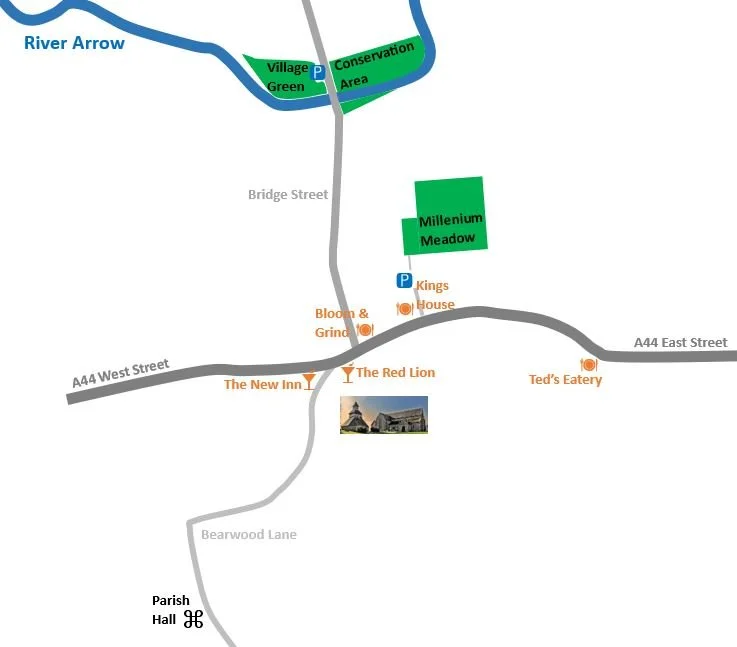
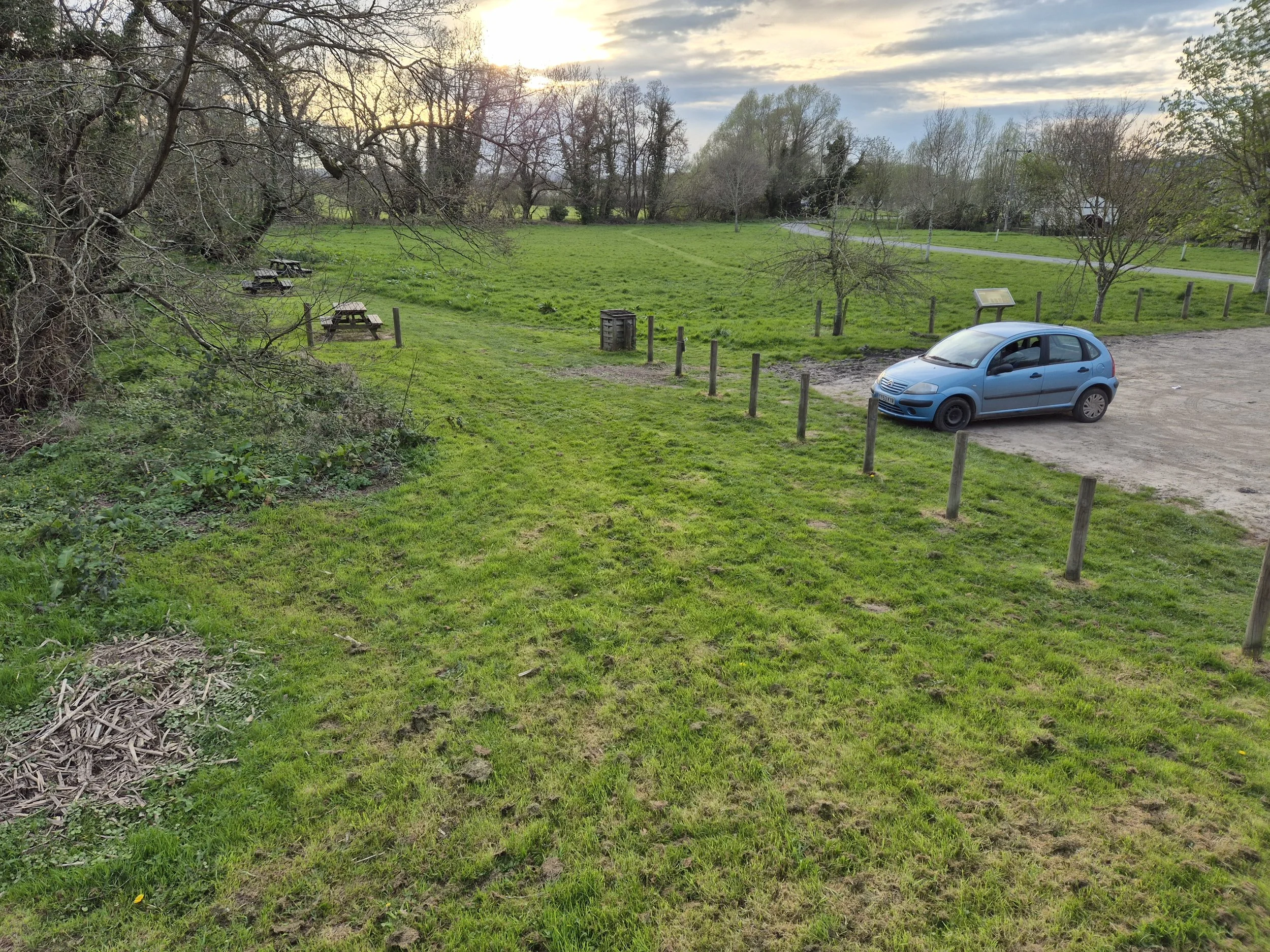
Owned by the Parish Council, parishioners and visitors are invited to enjoy the open green spaces around the village. Pembridge Village Green, situated on the River Arrow, is a picturesque and scenic riverside picnic and recreation area. It is situated on the River Arrow and is a central feature of the historic black-and-white village, used for relaxation and community activities. Across Bridge Street is the Conservation Area, a home for many wild plants and animals. Millennium Meadow, set back from East Street (A44), behind The King’s House, offers a play area for children of all ages and is used as a venue for many village events.
Village Green Conservation Area and Hay Meadow
Conservation Area
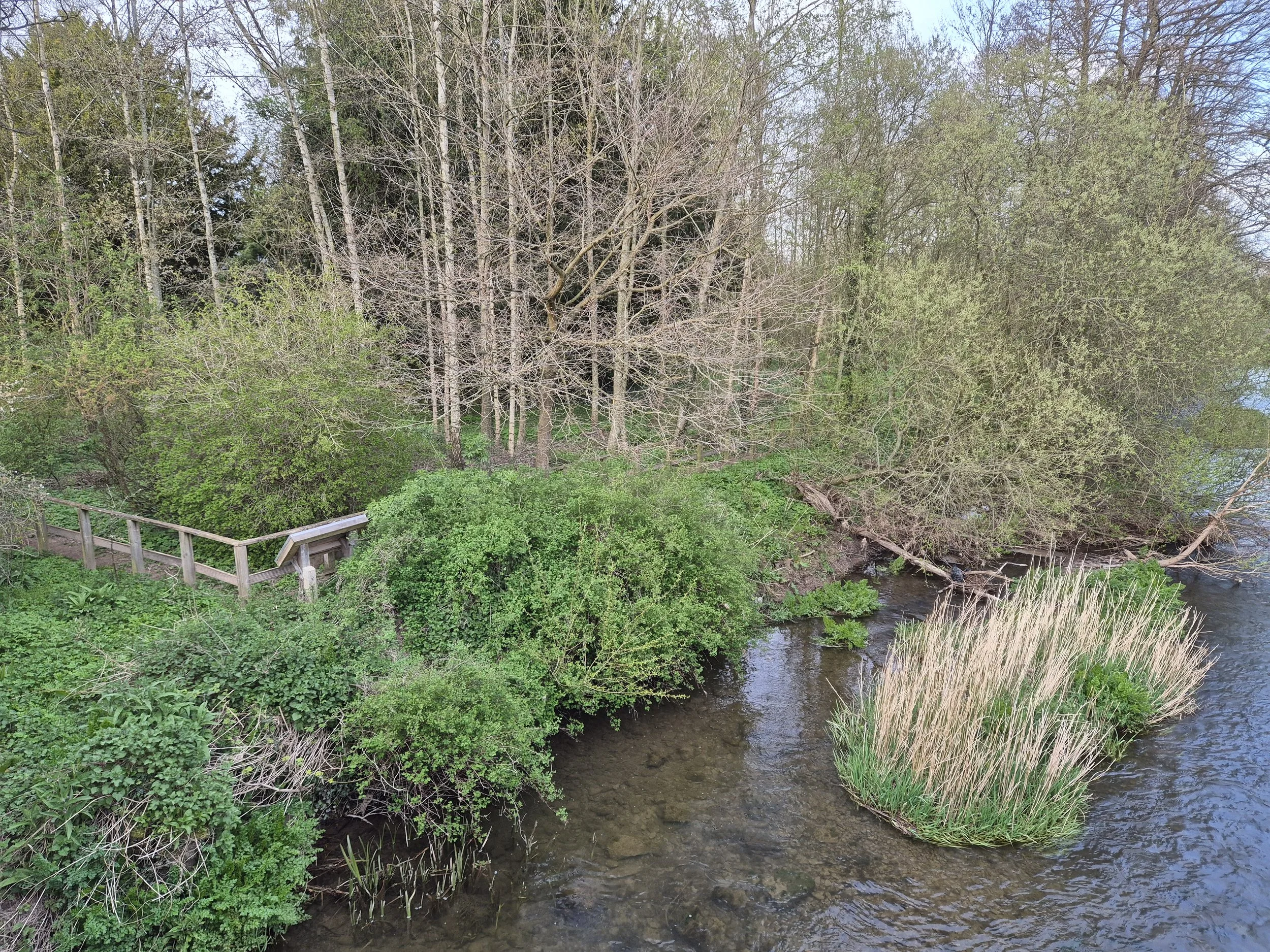
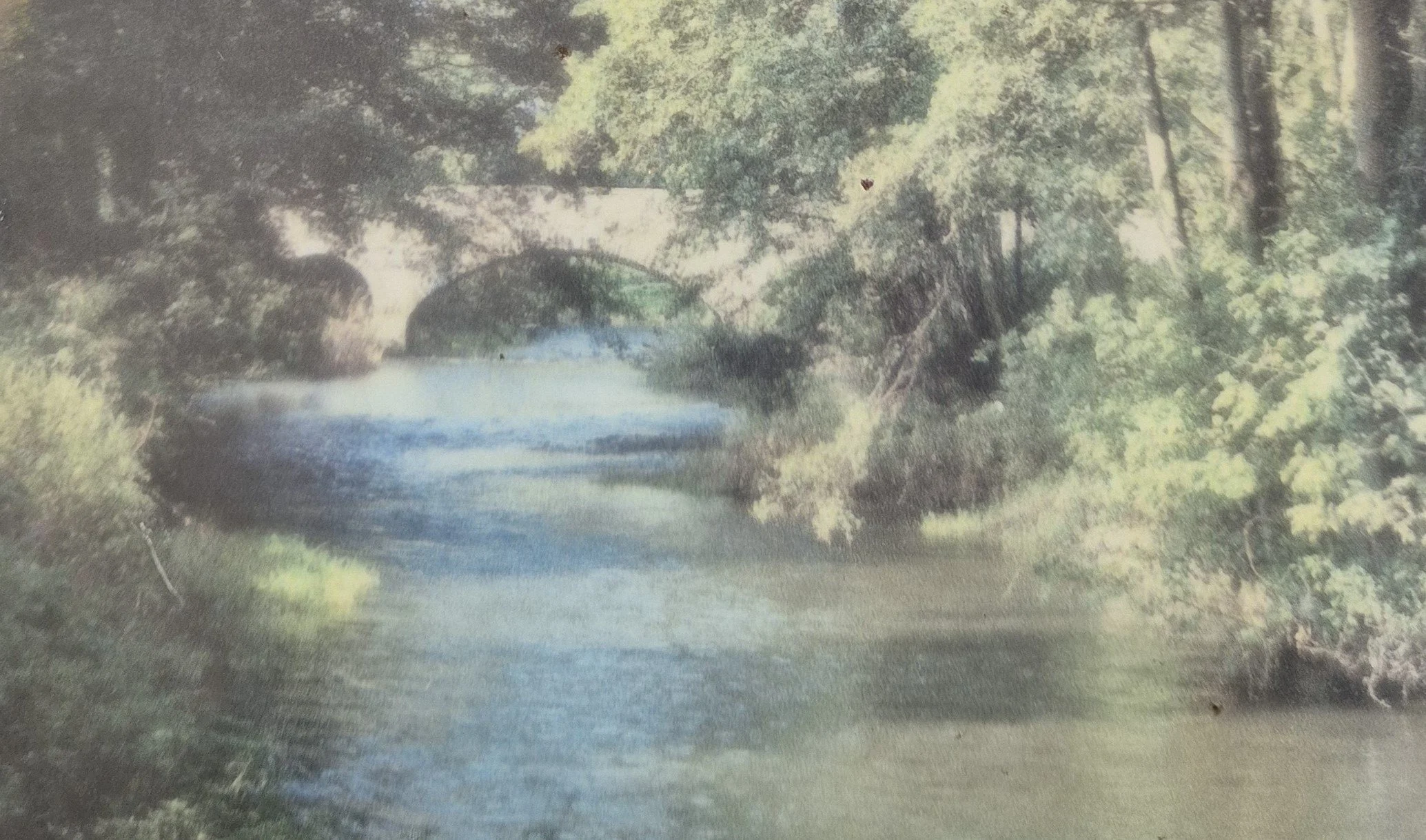
Wet Woodland
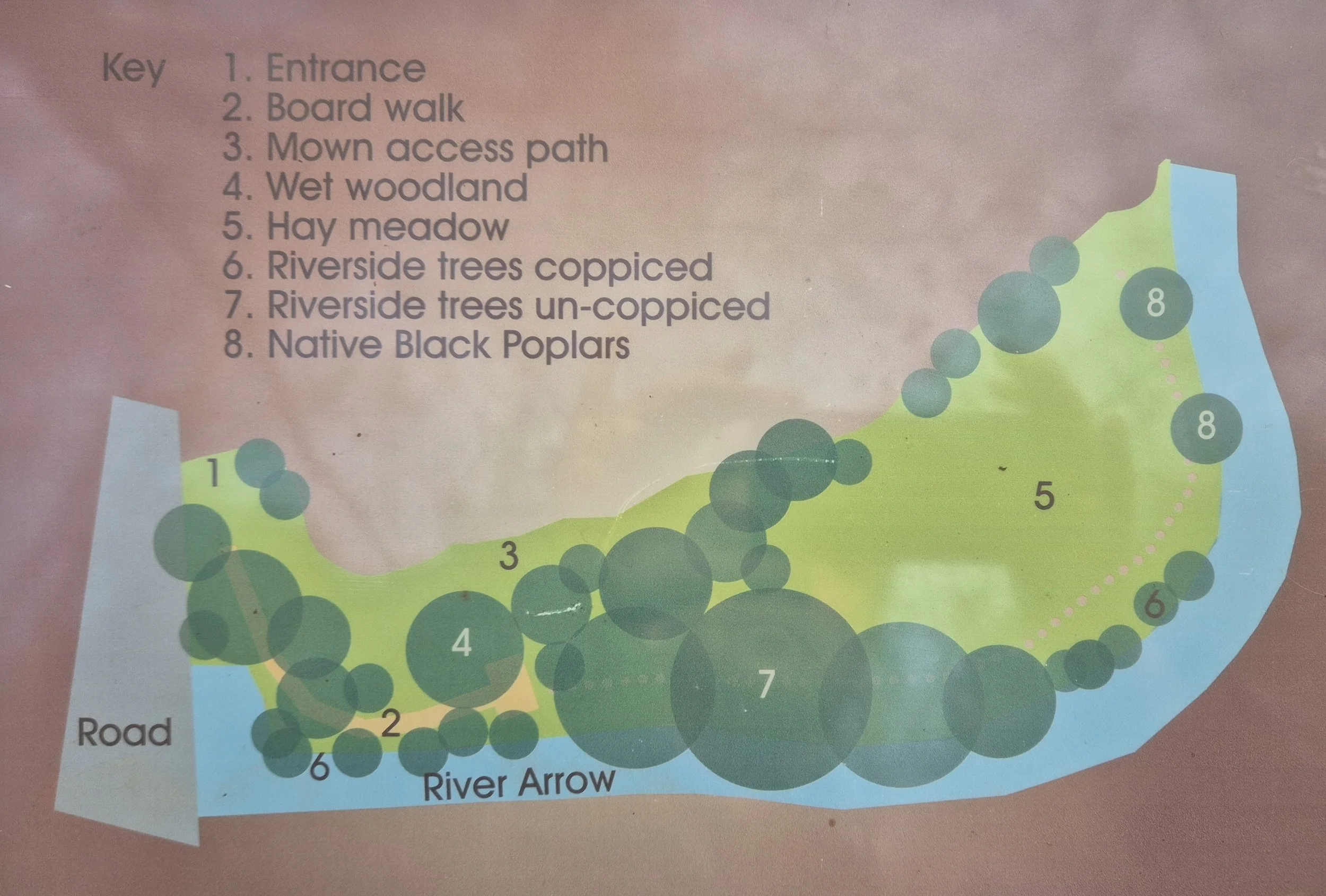
Wet woodland is one of our rarest native habitats, most having been grubbed up in the distant past, for meadow and pasture. They grew on the fertile floodplains and were usually replaced my more valuable crops. By reintroducing this type of habitat to this area a more ecologically important environment has been created.
There are many plants already in this area which are characteristic of wet woodlands. These include Alder trees (Alnus glutinosa), a common native species which thrive in damp and wet ground conditions. It can be recognised by attractive male flowers which are formed in early spring in long narrow catkins. The leaves appear in April and are almost circular in shape. The bark is dark grey and fissured, although new growth is smooth and slightly green in colour. As a deep-rooted species, it helps the maintain the soil in river banks and reduces the effects of erosion. The trees provide shade for the fish in the river and when the roots grow into the water they provide shelter for fish and otters.
Another plant in this area is easy to spot, but not recommended to approach, is the Stinging Nettle (Urtica dioica). These can grow from 1 to 2 metres tall and have soft green triangular leaves and small flowers. Dock leaves (Rumex obtusifolins) are commonly found near Stinging Nettles and are said to be nature’s remedy against the sting. If you do get stung by a nettle it is said that rubbing a dock leaf over the sting will soon stop the itching.
One of the main species which has been introduced is the native Black Poplar (Populus nigra). It is the rarest of our native trees, commonly found in river flood plains and not in woodlands. This has been planted at the east end of the site, by the river. It is a fast growing tree and can be recognised by the distinctive dark-green grey coloured, fissured bark, with many burrs (swellings) in it.
There are a number of smaller plants introduced to the area and some may arrive on their own accord. These plants include Bittersweet (Solanum dulcamara), Wavy Bittercress (Cardamine flexuosa), Wild Augelica (Angelica sylvestris) and Marsh Thistle (Cirsium palustre).
The area is managed by coppicing of the trees. This is a practice which was carried out in the past but has died out with availability of cheap fossil fuels. If the trees are left to grow unchecked there will be a reduction in the biodiversity in the area due to the permanent summer shade they would provide. The trees are coppiced on a ten year cycle and some of the timber is kept on site as deadwood habitat for various species. Some trees are left un-coppiced as a standard and have bird, bat and insect boxes fixed to them.
Hey Meadow
In 2008 Pembridge Parish Council commissioned a survey of the area and developed a five-year management plan. The intention was to take this area from un-grazed grassland to a species rich hey meadow and wet woodland, converting it to a more ecologically valuable site.
The meadow has been transformed from an un-grazed grassland into a managed hey meadow. Each year a cut of hey is taken in the late summer as a traditional form of meadow management. At some points there may be animals grazing on the land and we request that you follow the Country Code. Plants you may see in this area already include Meadow Sweet (Filipendulum ulmaria), St. John’s-wort (Hypericum perforatum), Lesser Celandine (Ranunculus ficaria) and Creeping Buttercup (Ranunculus Repens). Plants introduced to the area include Black Knapweed (Centaurea nigra), Crested Dogstail (Cynosurus cristatus), Sweet Vernal Grass (Anthoxanthum odoratum), Bird’s Foot Trefoil (Lotus corniculatus) and Meadow Buttercup (Ranunculus acris).
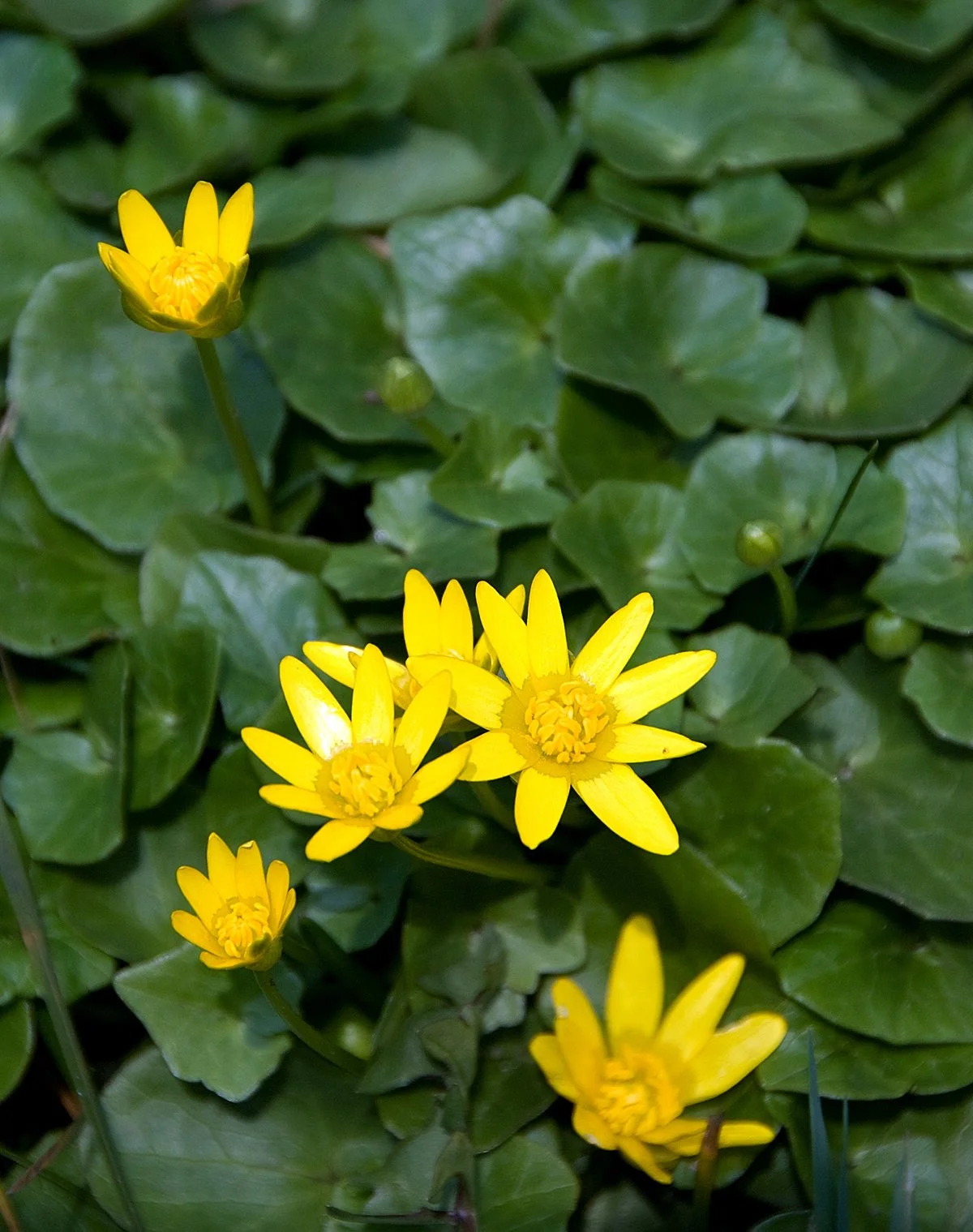
Lesser Celandine
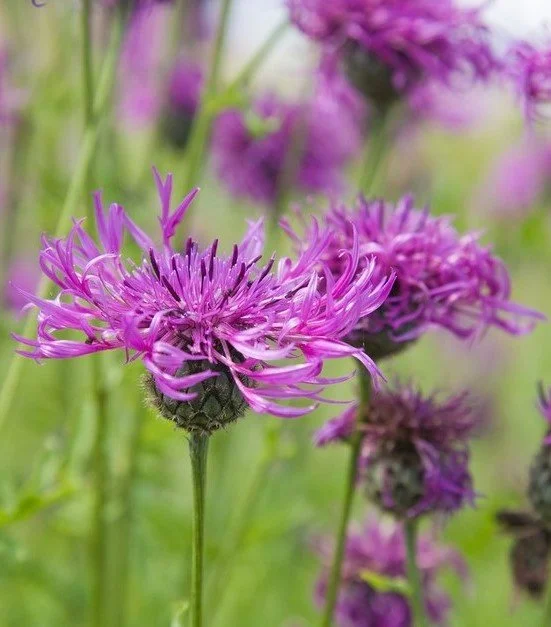
Black Knapweed

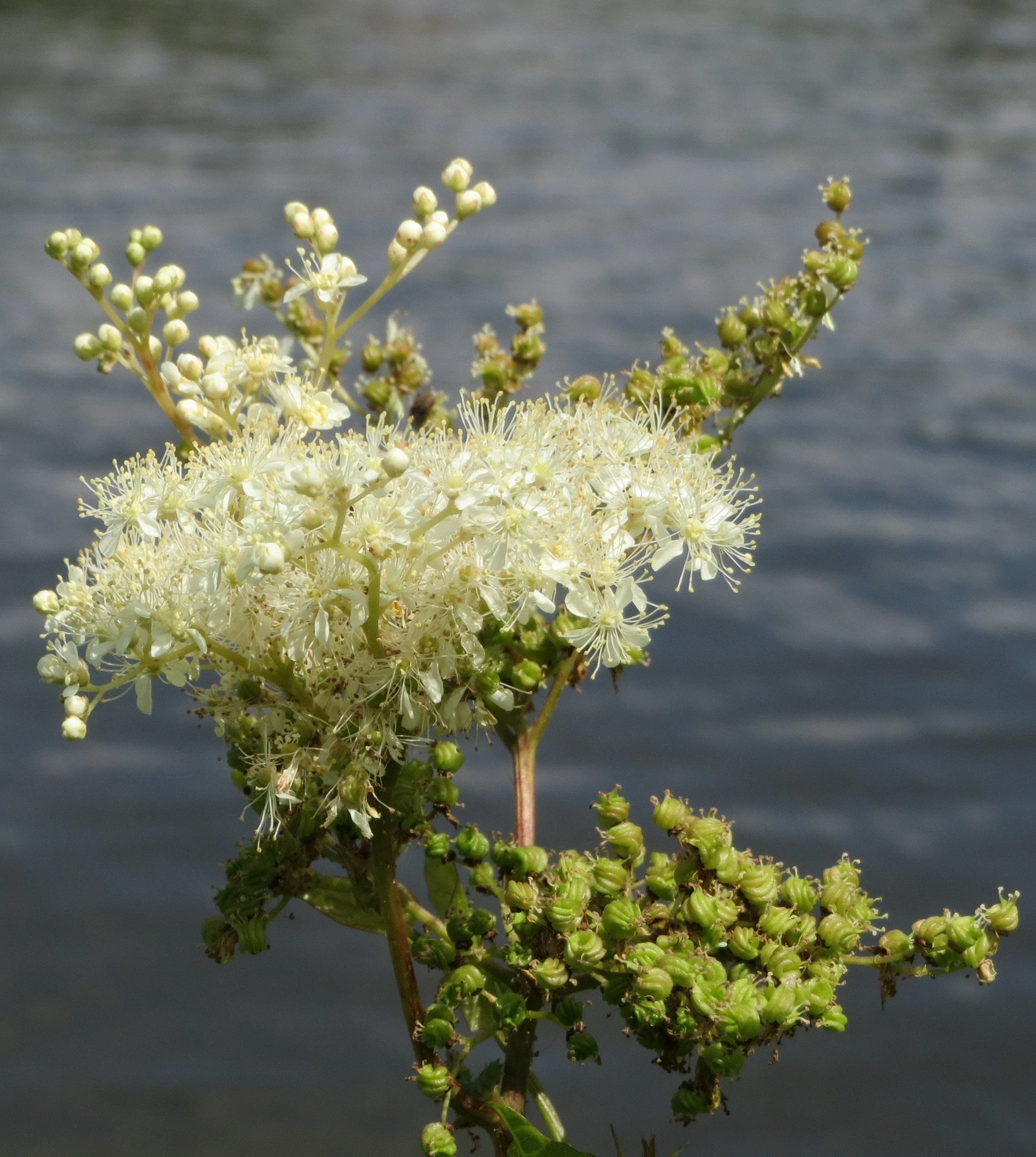
Meadow Sweet
River - Birds - Animals
The River Arrow Provides a home for a variety of flora and fauna, from the large to the small to the even smaller microscopic creatures.
The meadow is home to a number of creatures from hares to bees and butterflies. Commonly seen birds in the area include robins, sparrows, pigeons, pheasants and the harder to spot kingfishers and barn owls.
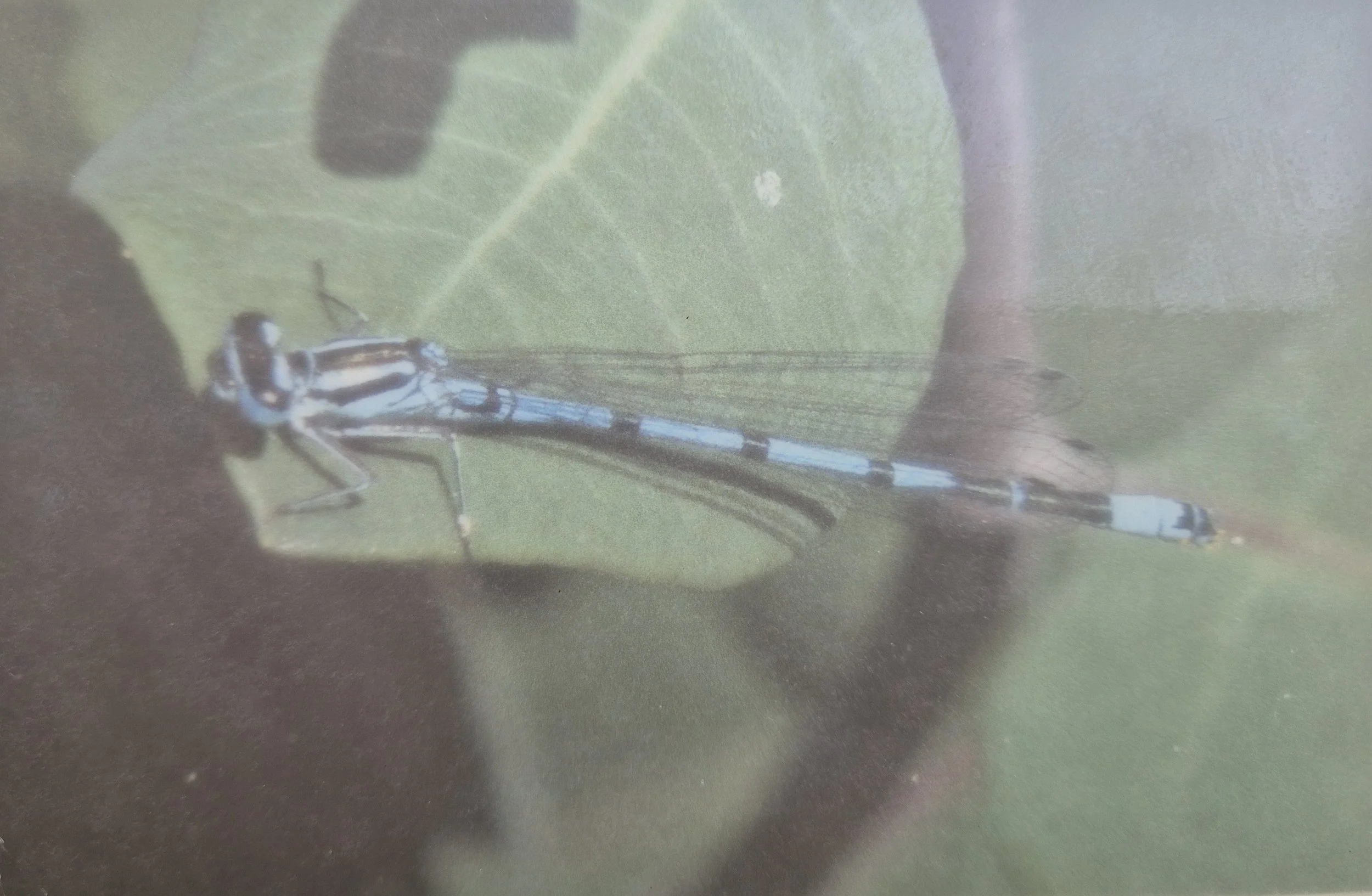
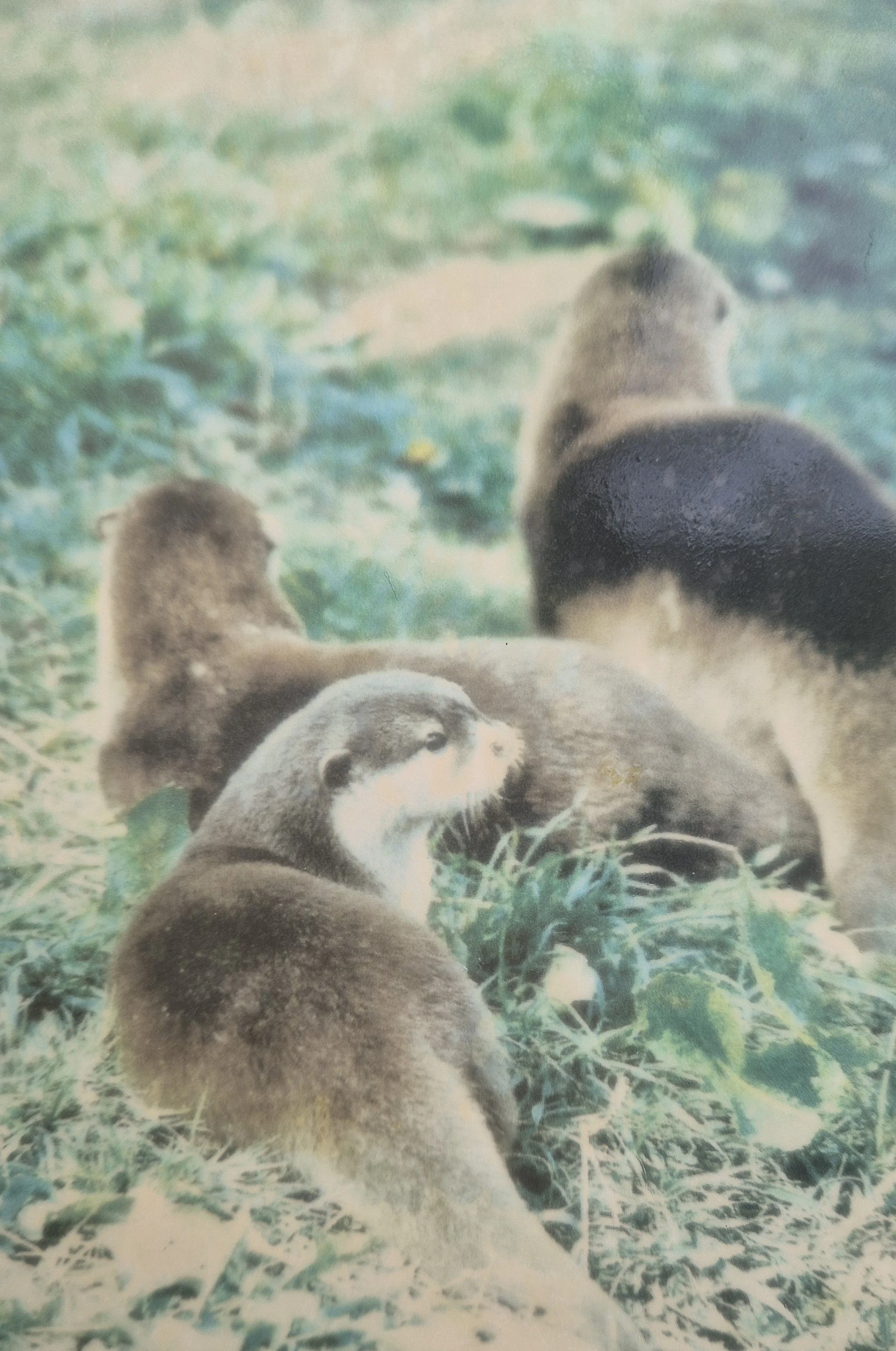
The River Arrow has been the subject of insect surveys to monitor the levels of different species in the water. There are also some of the most elusive of animals - otters which are here but are seldom seen.
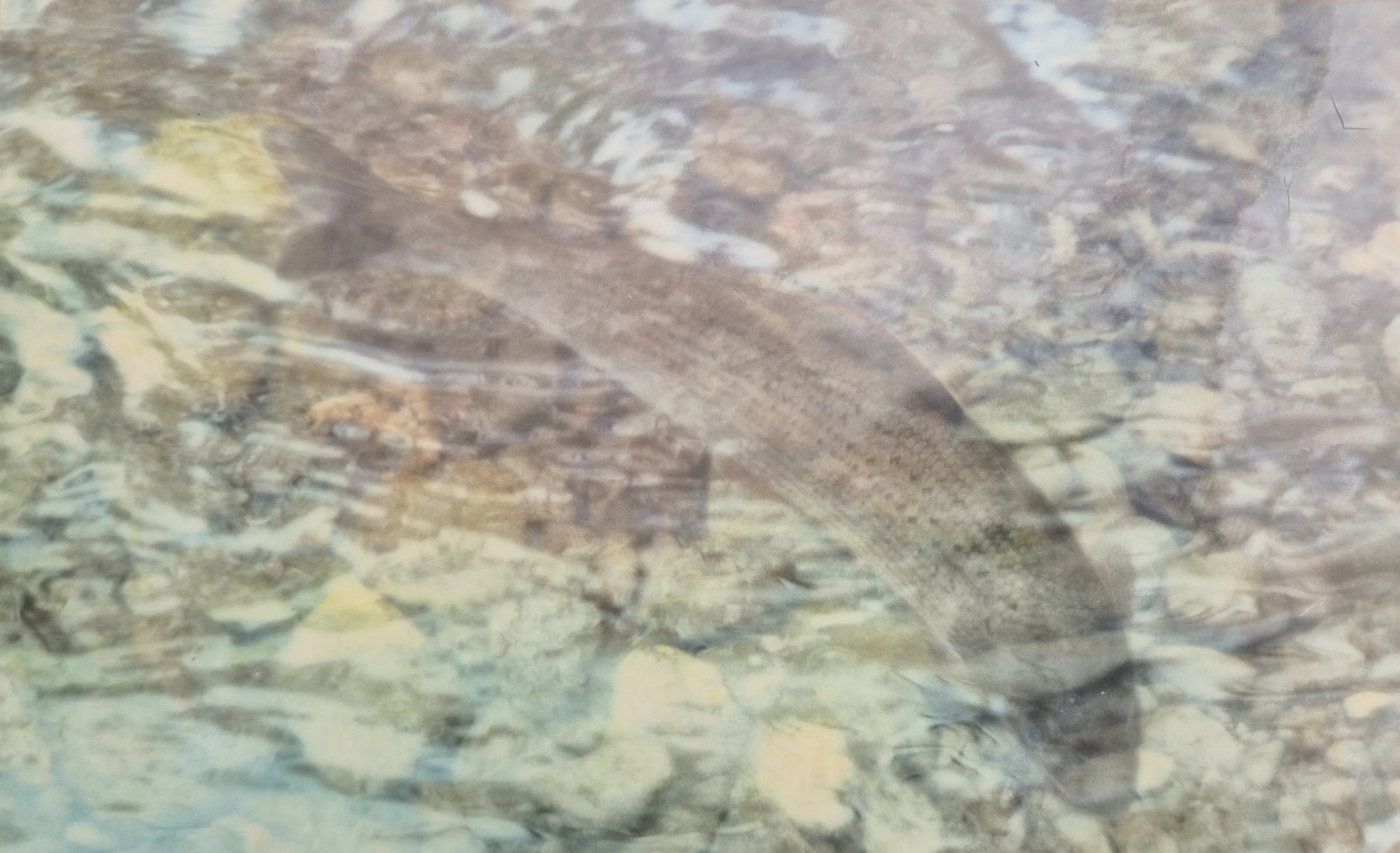
The River Arrow is also home to several different creatures - fish including trout, salmon and grayling, crayfish, brook and river lampreys as well as otters and water vole.
There are also a great deal of nocturnal animals which use this area including barn owls and bats.
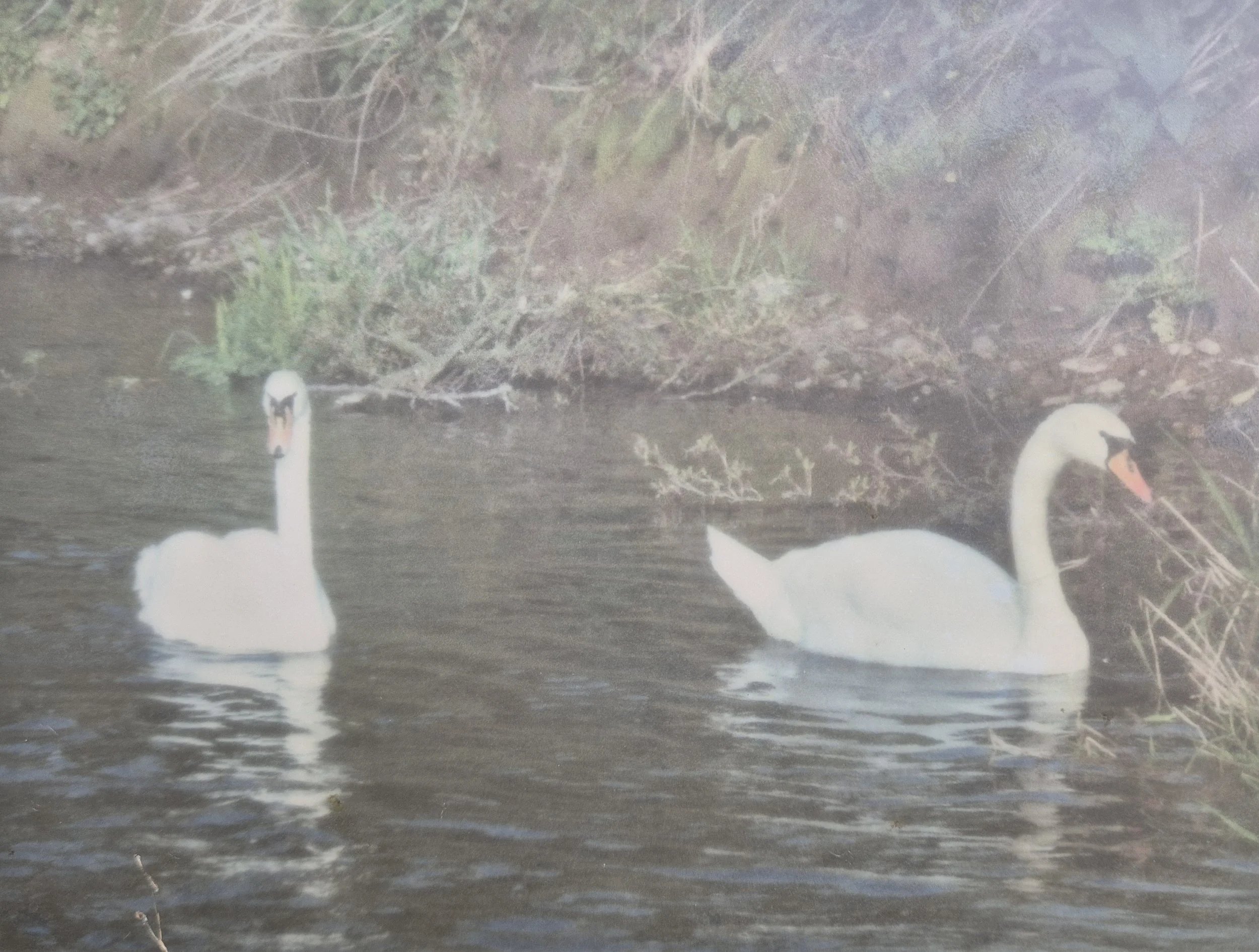
Swans have been nesting on the River Arrow in Pembridge for many years
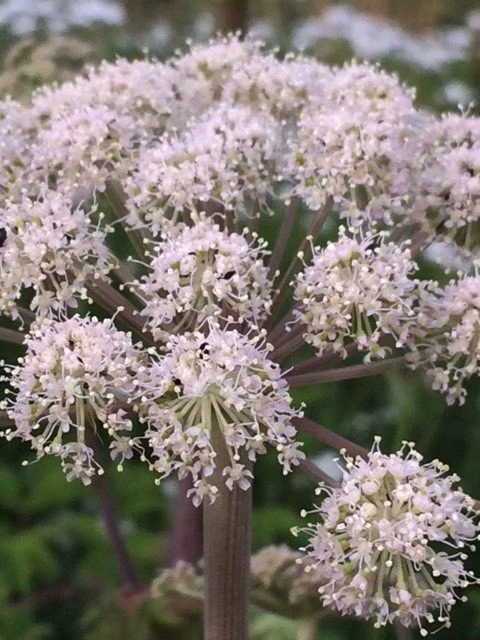
Wild Augelica (Angelica sylvestris)
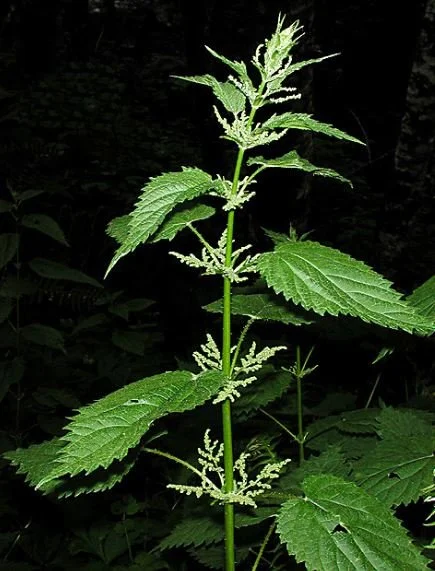
Stinging Nettle (Urtica dioica)
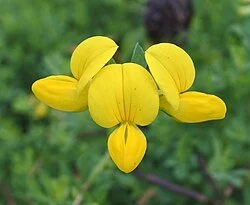
Bird’s Foot Trefoil
The Parish Council would like to thank the Kingspan Insulation Community Trust for the kind grant which made this project possible, the volunteers that helped carry out the work and Herefordshire Council Community Projects Grants Scheme for their contribution to the information boards.
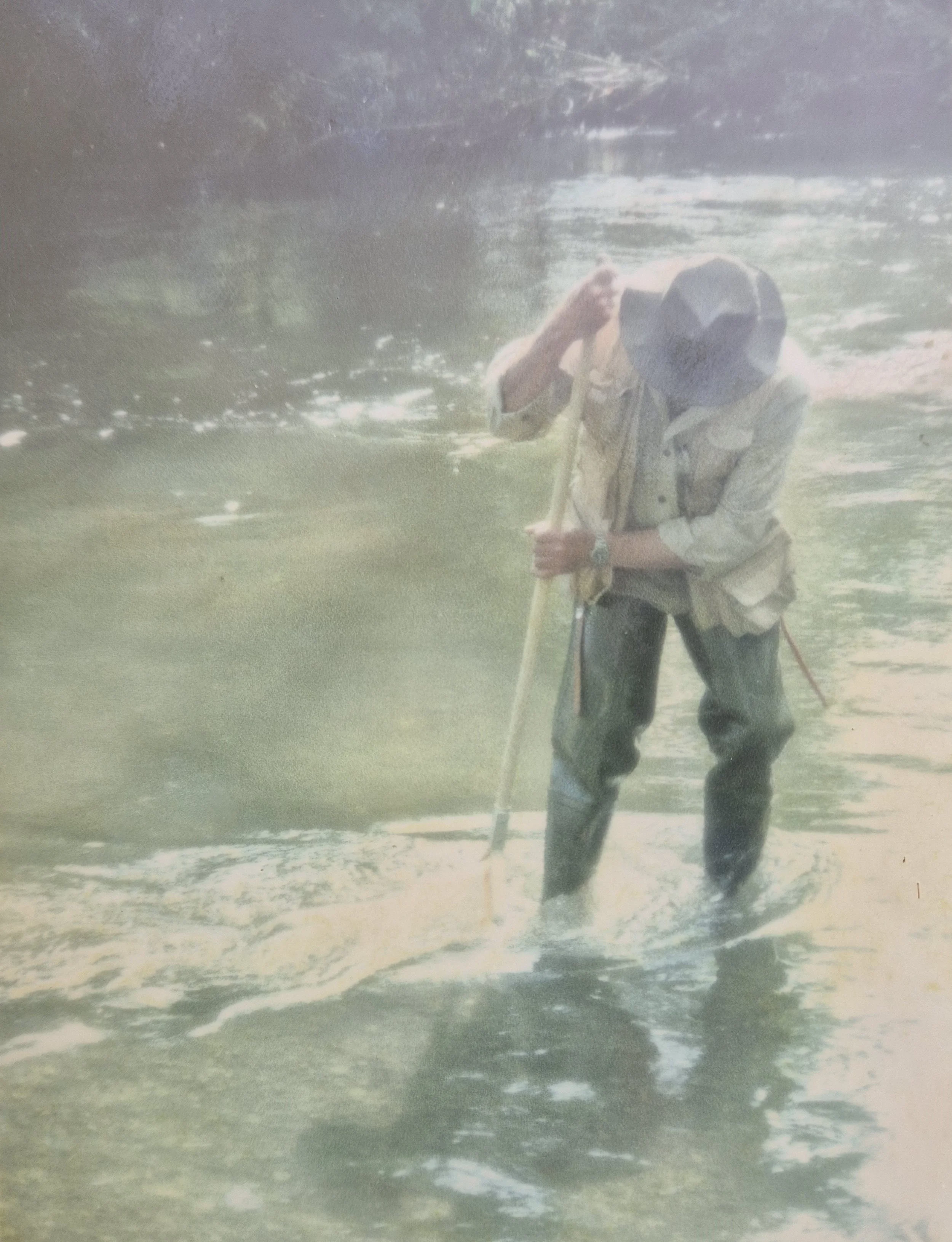
A dedicated group of local volunteers regularly monitor the insect life in the river proving an insight into the quality of the water and as an early indicator of pollution.
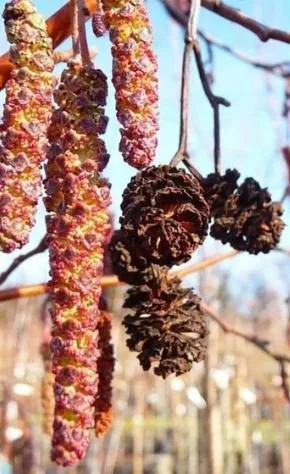
Alder trees (Alnus glutinosa)
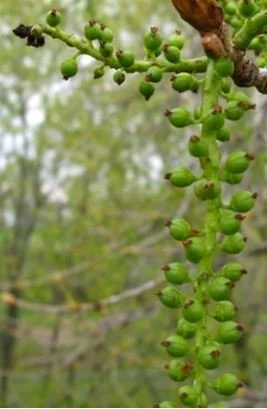
Black Poplar (Populus nigra)
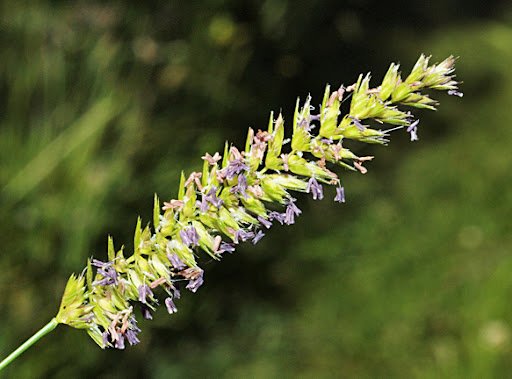
Crested Dogstail
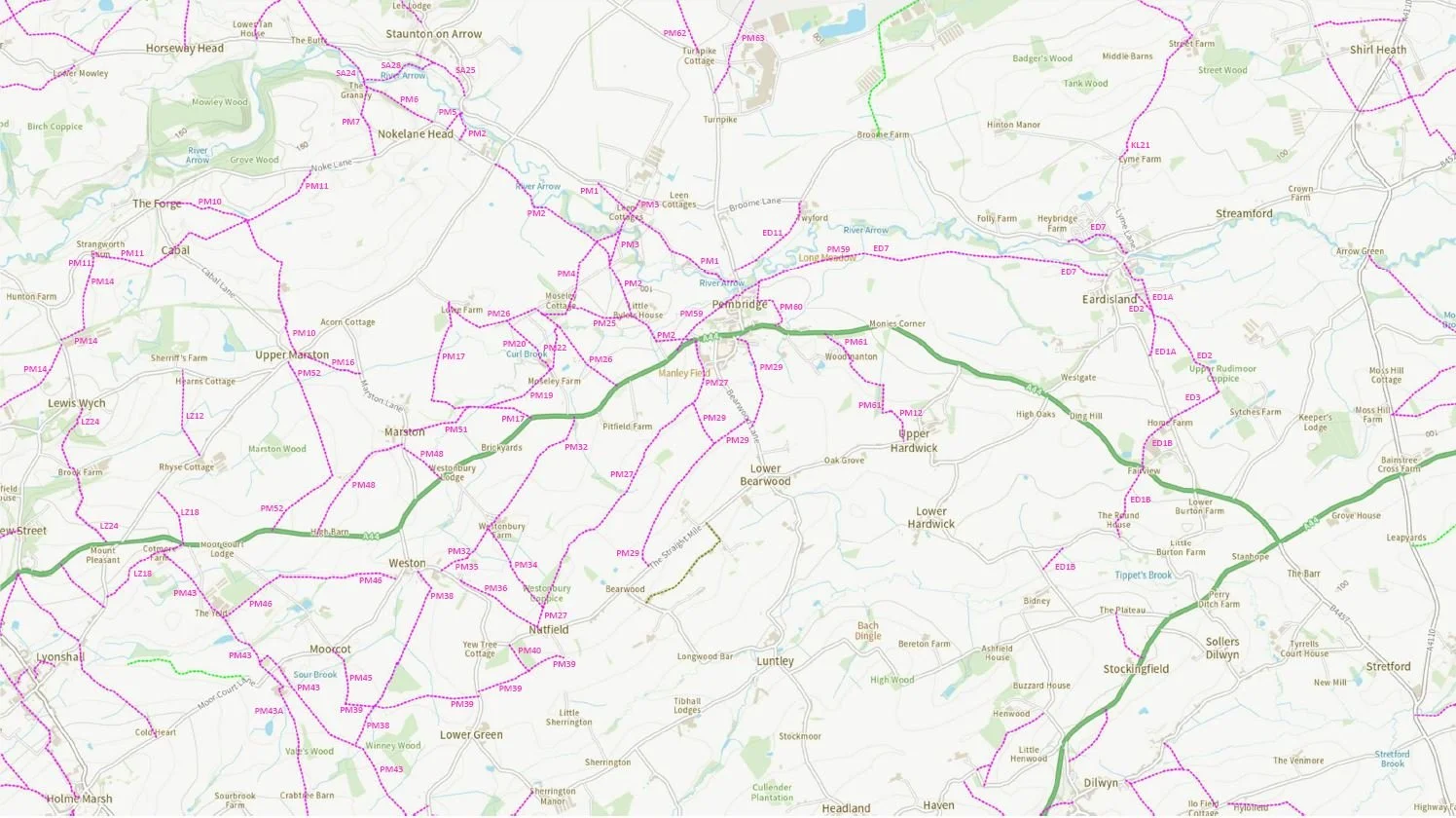
Footpaths Around Pembridge